About the Maxfield Parrish Stage Set
Preserving a National Treasure in the Heart of Plainfield, NH
Our Mission
Our mission is to preserve, protect, and amplify the story of the Maxfield Parrish Stage Set and the Plainfield Village Town Hall through volunteer stewardship and community support, so future generations can experience their beauty, history, and cultural significance. We are committed to ensuring this nationally recognized treasure remains a beloved cultural landmark and inspiration for the community and beyond.
Our Values
Preservation
Safeguarding the integrity of the Stage Set and Town Hall through careful conservation, and fostering continued community engagement in its care.
Community
Honoring the volunteers, donors, and neighbors who have protected this treasure since 1916, and fostering continued engagement in its care.
Education
Telling the story of Maxfield Parrish, the Cornish Art Colony, and the Plainfield Village Town Hall’s role in New Hampshire’s cultural history.
Stewardship
Ensuring every dollar donated and grant received is used responsibly and transparently for preservation, with minimal administrative overhead.
Legacy
Protecting the Maxfield Parrish Stage Set for future generations to experience and appreciate, continuing the dedication of those who saved it before us.
About the Historic Stage Set
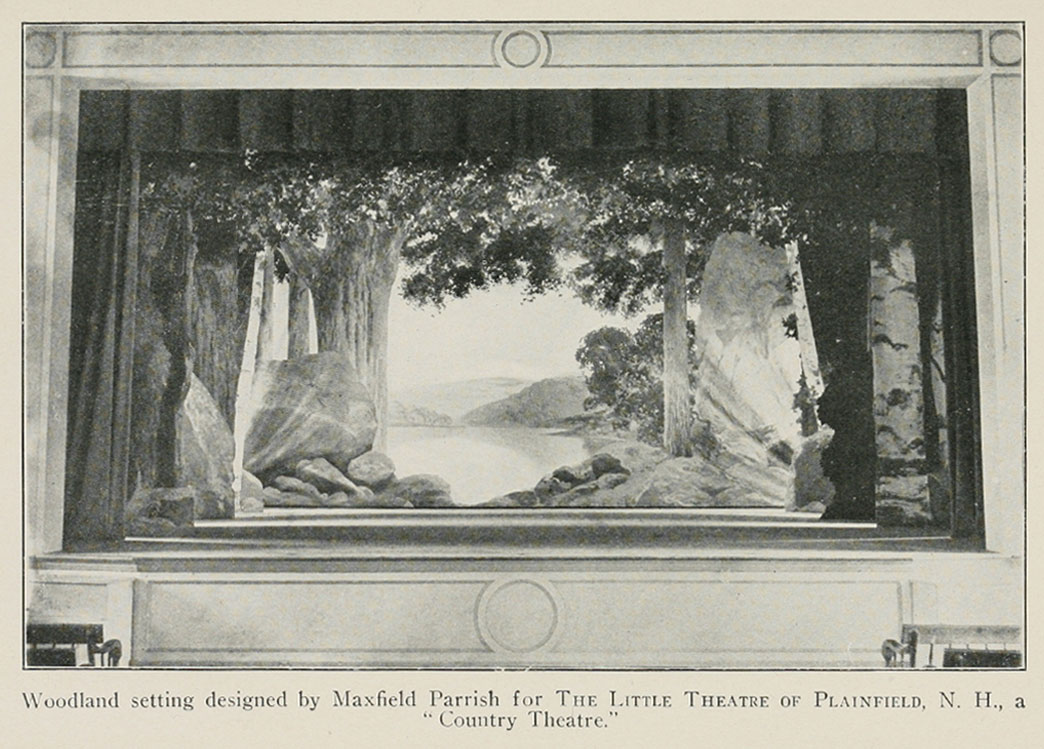
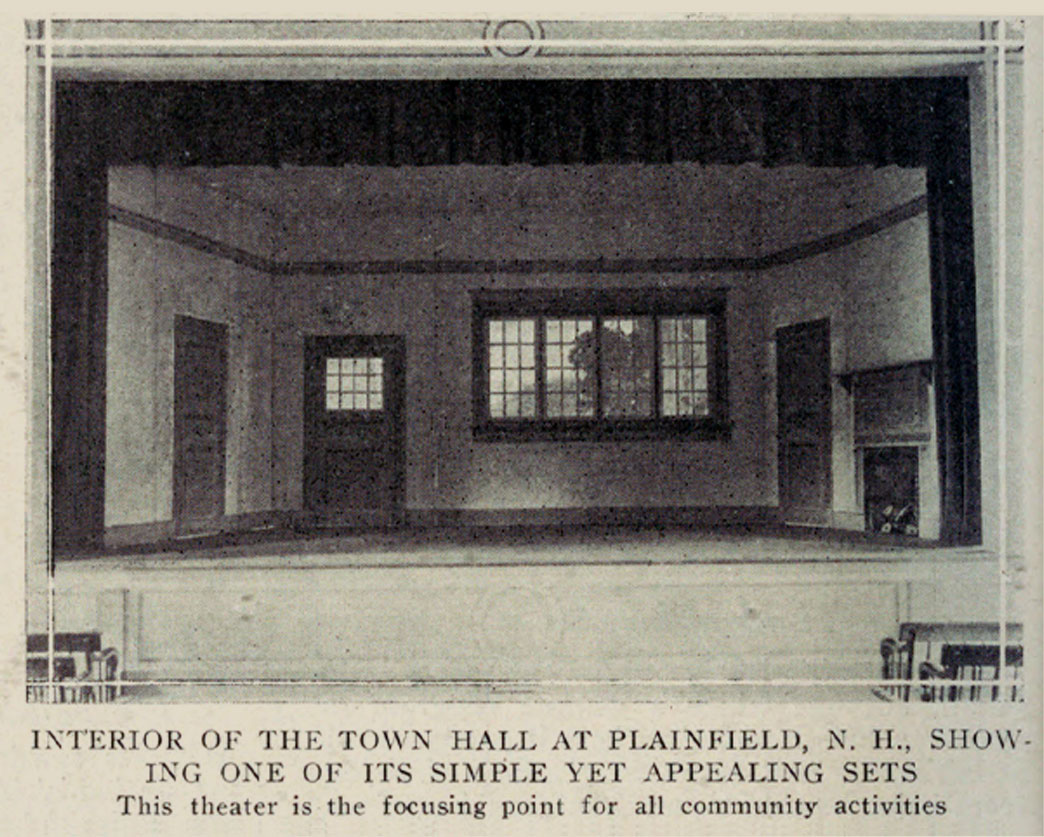
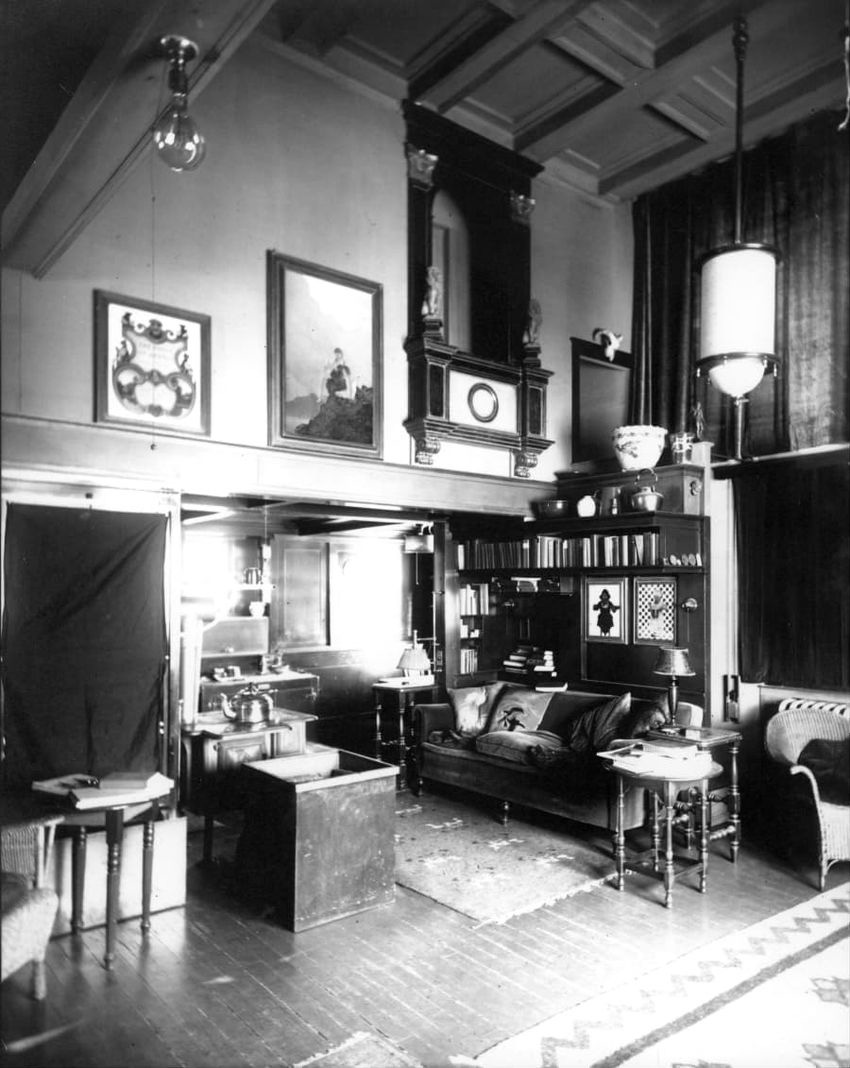
The stage in the historic Plainfield Village Town Hall has been called “the most beautiful stage north of Boston” ever since it was built in 1916. The reason for this distinction is that the stage itself was designed and equipped by New York stage designer William Howard Hart, featuring a woodland stage set painted by Maxfield Parrish.
The Stage Set at Plainfield Village Town Hall stands alone in American theater history as the only known example of an entire stage environment designed and created by a nationally celebrated artist. Featuring a woodland scene with Mount Ascutney and the Connecticut River in the distance as a backdrop, the set includes painted six wings, three overhead drapes, and a sophisticated lighting system.
Over the decades, it hosted plays, concerts, dances, and town gatherings, becoming the cultural heart of Plainfield. Despite wear, humidity damage, and aging infrastructure, the Stage Set has survived remarkably intact and is now recognized as a rare national treasure.
The Plainfield Village Town Hall and Its Significance
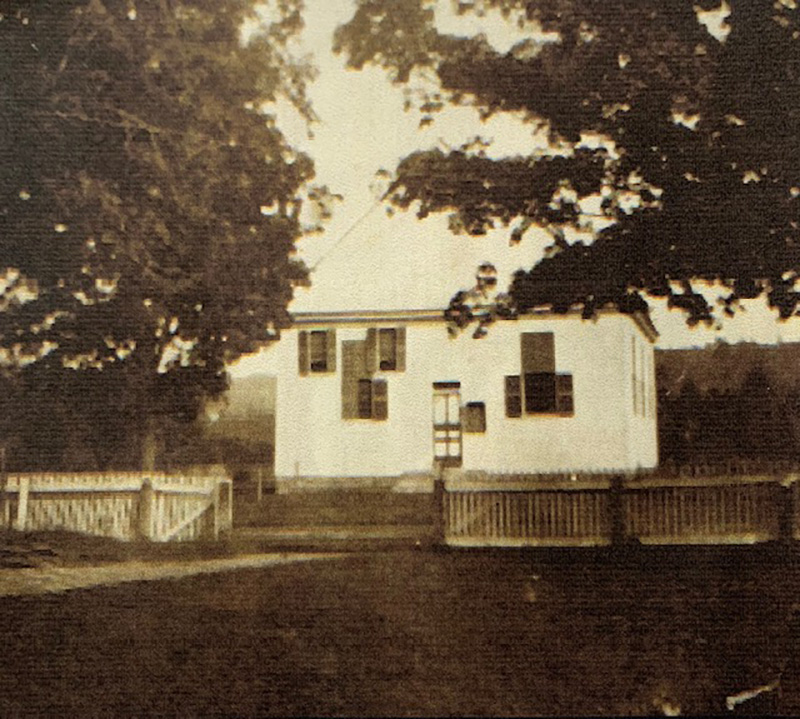
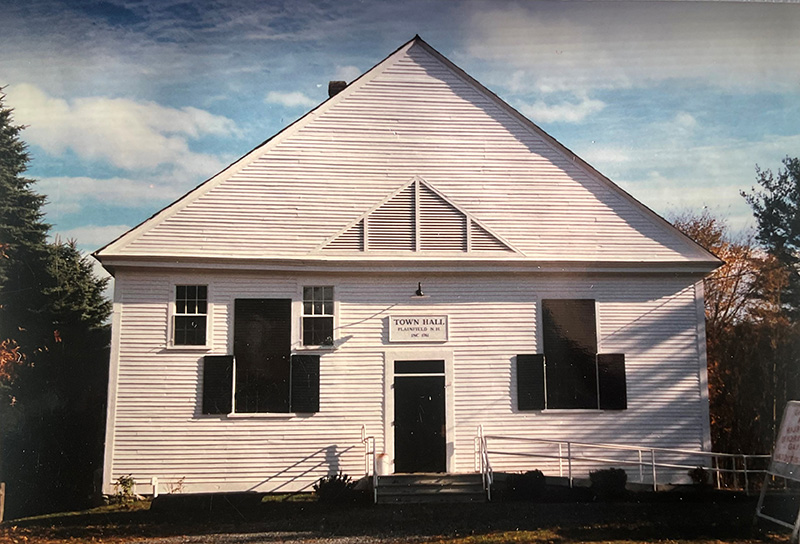
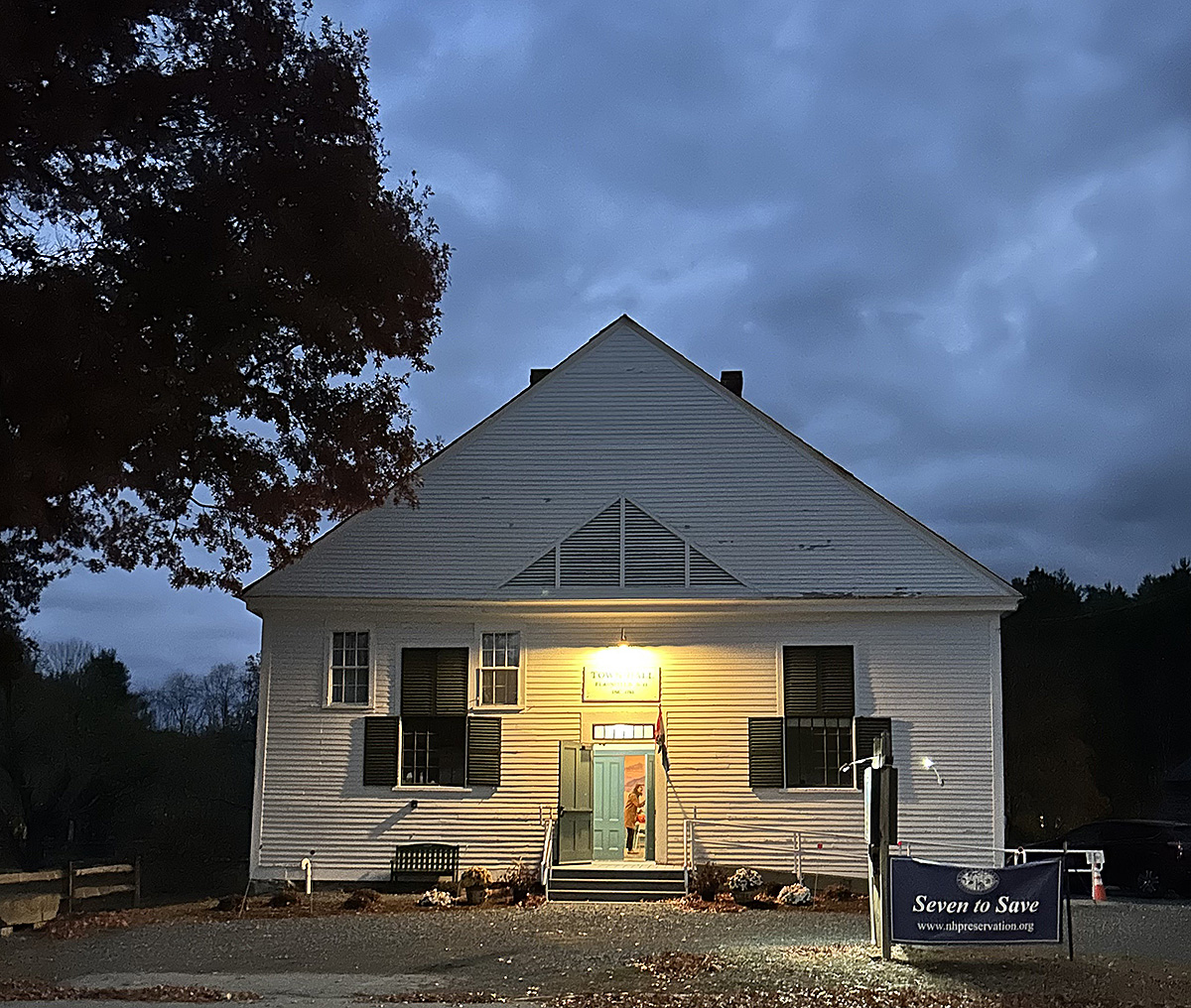
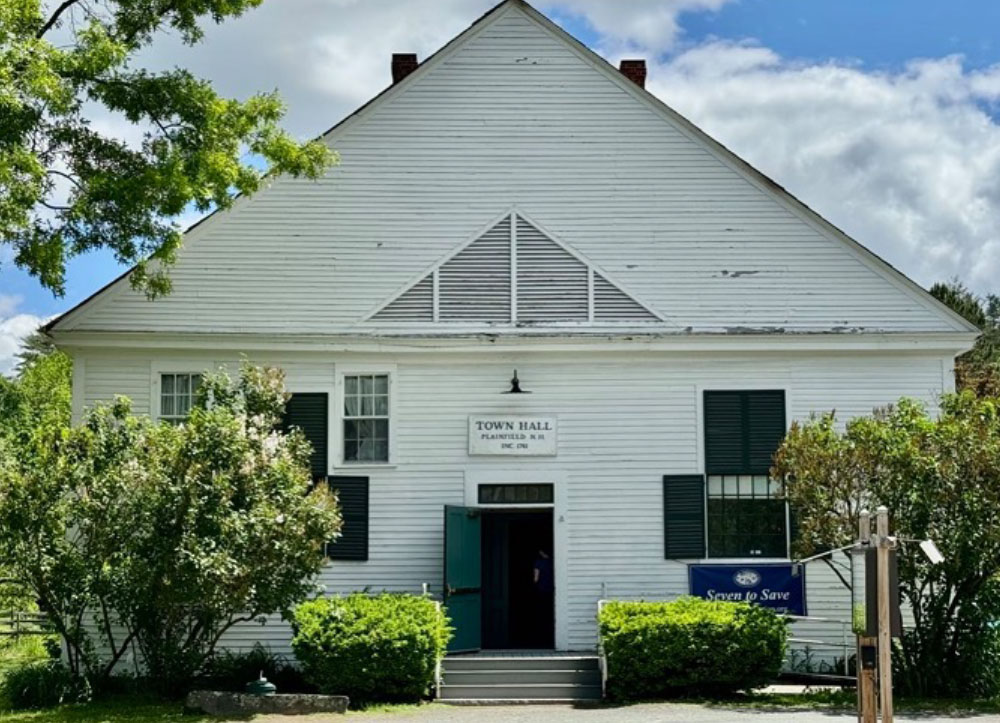
The Plainfield Village Town Hall began as the Plainfield Meetinghouse in 1798, moved twice, and rebuilt in 1846 at its current location. In 1916, it was transformed when local benefactor and Cornish Art Colony stage designer, William Howard Hart offered to build the stage addition if the town provided the foundation. The community enthusiastically agreed, and the building was electrified for the first time. Hart designed the stage and equipped it with Kliegl Brothers lighting similar to that used at the Metropolitan Opera House.
For the stage’s inaugural production, Hart asked his friend and renowned artist Maxfield Parrish to create the Stage Set. The result was breathtaking—a three-dimensional theatrical masterpiece illuminated by 300 twenty-five watt bulbs that could transform the scene from dawn to dusk, creating everything from crimson sunrises to deep blue twilight.
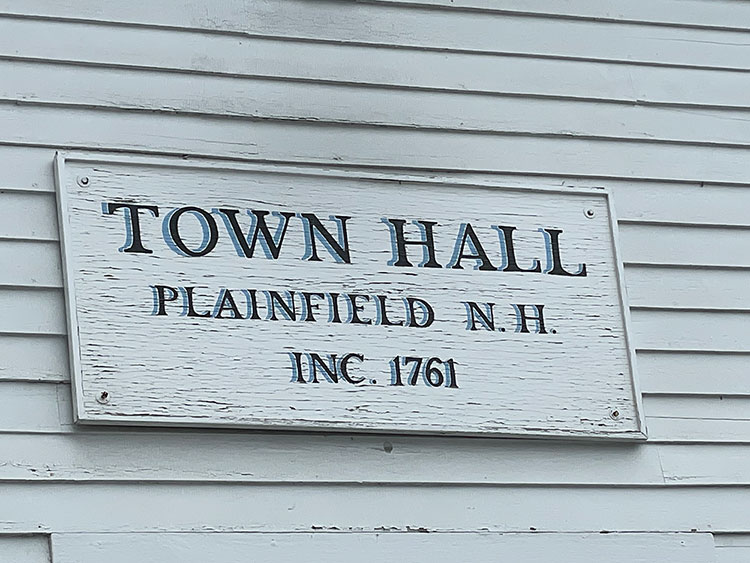
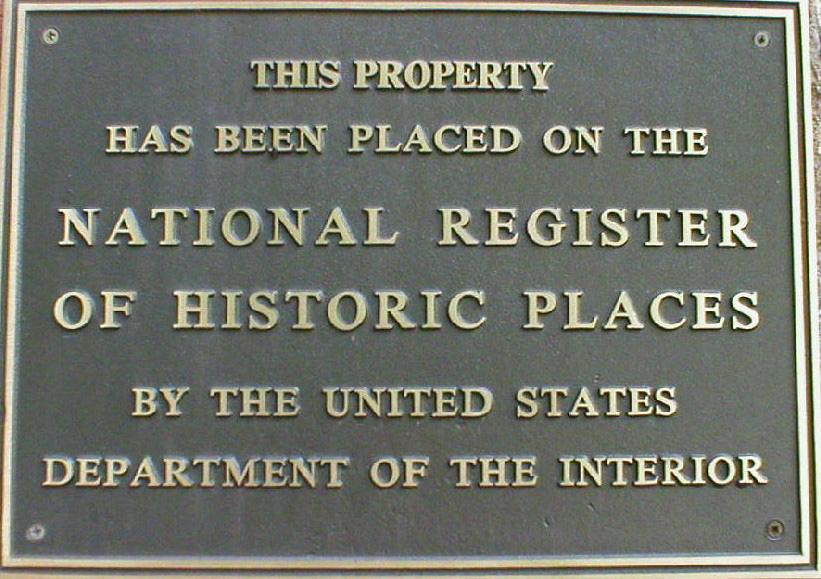
Since 1916, the Town Hall has hosted plays, meetings, dances, and countless community gatherings, serving as both a hub of civic life and a home to one of the nation’s most unique works of art. Listed on the National Register of Historic Places in 1984 and recognized by the New Hampshire Preservation Alliance in 2023 as a “Seven to Save in New Hampshire”, the Plainfield Village Town Hall stands as a testament to the community’s cultural vitality and enduring commitment to preserving history.
The Plainfield Village Town Hall and Its Significance
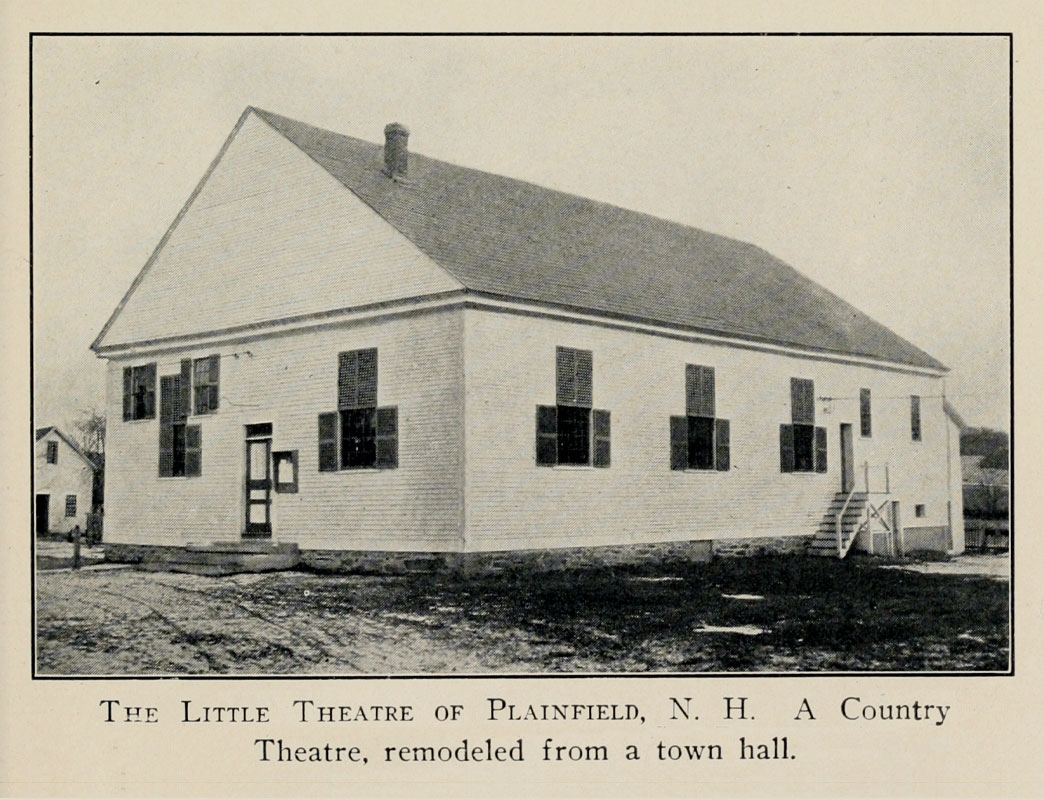
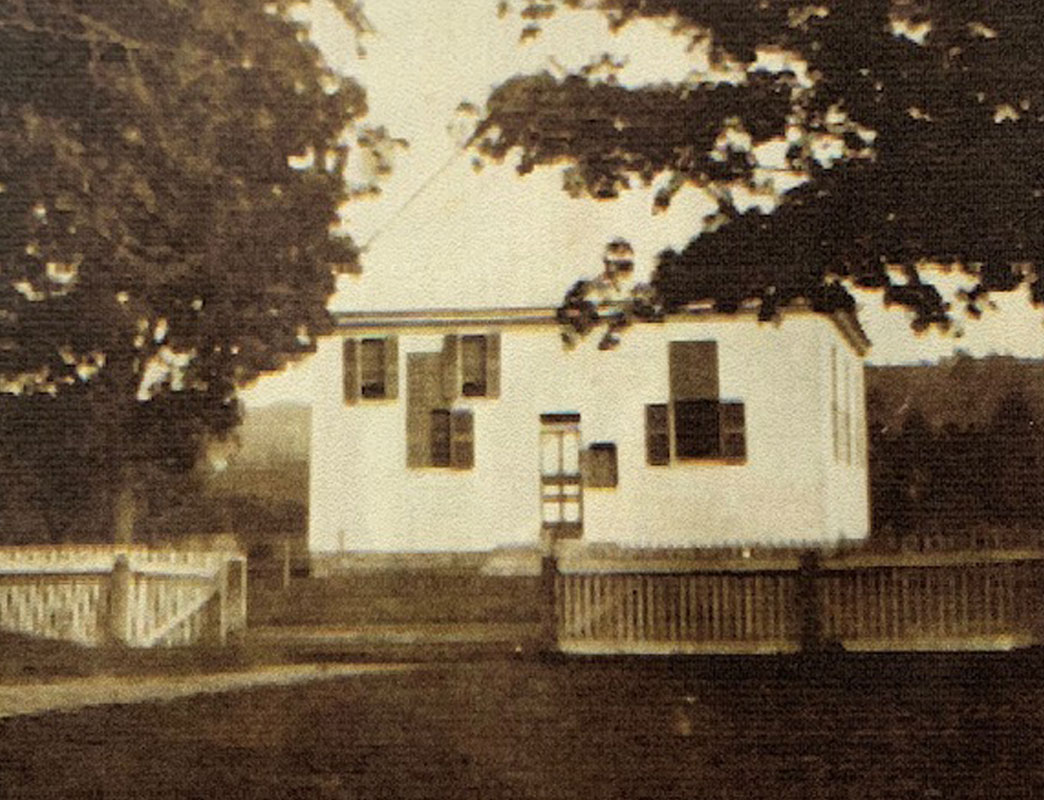
The Plainfield Village Town Hall began as the Plainfield Meetinghouse in 1798, later moved and rebuilt in 1846 at its current location. In 1916, it was transformed when local benefactor and Cornish Art Colony stage designer, William Howard Hart offered to build the stage addition if the town provided the foundation. The community enthusiastically agreed, and the building was electrified for the first time. Hart designed the stage and equipped it with Kliegl Brothers lighting similar to that used at the Metropolitan Opera House.
For the stage’s inaugural production, Hart asked his friend and renowned artist Maxfield Parrish to create the Stage Set. The result was breathtaking—a three-dimensional theatrical masterpiece illuminated by 300 twenty-five watt bulbs that could transform the scene from dawn to dusk, creating everything from crimson sunrises to deep blue twilight.
Since 1916, the Town Hall has hosted plays, meetings, dances, and countless community gatherings, serving as both a hub of civic life and a home to one of the nation’s most unique works of art. Listed on the National Register of Historic Places in 1984 and recognized by the New Hampshire Preservation Alliance in 2023 as a “Seven to Save in New Hampshire”, the Plainfield Village Town Hall stands as a testament to the community’s cultural vitality and enduring commitment to preserving history.
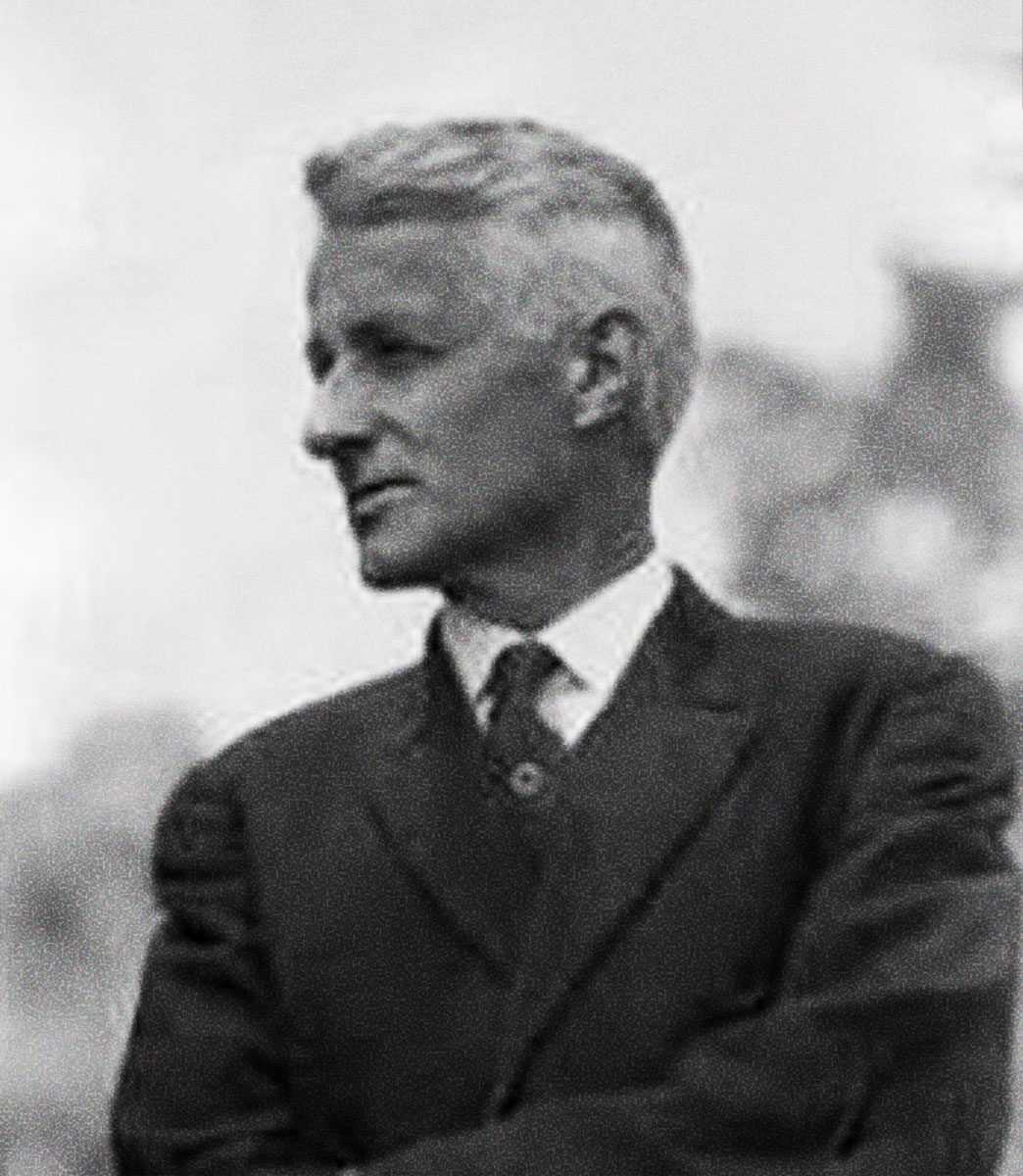
Maxfield Parrish, William Howard Hart and the Plainfield Village (NH) Town Hall By Jack Jacobsen
By Jack Jacobsen
Author of “Maxfield Parrish: The Man Behind the Make-Believe” and an art researcher on all things Maxfield Parrish.
The stage in the historic Plainfield Village Town Hall has been called the most beautiful stage north of Boston from the time it was built in 1916. The reason for that is because the stage itself, was designed and equipped by New York stage designer, William Howard Hart, with a woodland stage set painted by Maxfield Parrish. Some theaters had stage screens painted by notable artists, a few had backdrops painted by notable artists, but only one had an entire set painted by a famous artist, the Plainfield Village Town Hall. Plainfield had mostly become known because of its association with the Cornish Colony of artists, but the Town Hall belongs to Plainfield, and has lasted far longer than the Cornish Colony. The Plainfield Village Town Hall was originally built in 1798, and moved, twice, before settling in its current location in 1846.
Support the Preservation
Be Part of the Legacy
Generations before us have cared for this historic art treasure since 1916. Now it’s our turn to preserve and protect it for future generations. Together, we can ensure the Maxfield Parrish Stage Set continues to inspire audiences, performers, community gatherings and visitors with their families for another hundred years.