Parrish’s Impact on Art & Culture
The Enduring Cultural Influence of Maxfield Parrish
Maxfield Parrish’s luminous colors, dreamlike landscapes, and innovative techniques have shaped popular culture for more than a century. His influence extends far beyond fine art—appearing in album covers, music videos, cinema, contemporary art movements, and even the creative methods of today’s illustrators and designers. This page highlights the many ways Parrish’s artistic voice continues to inspire creators around the world.
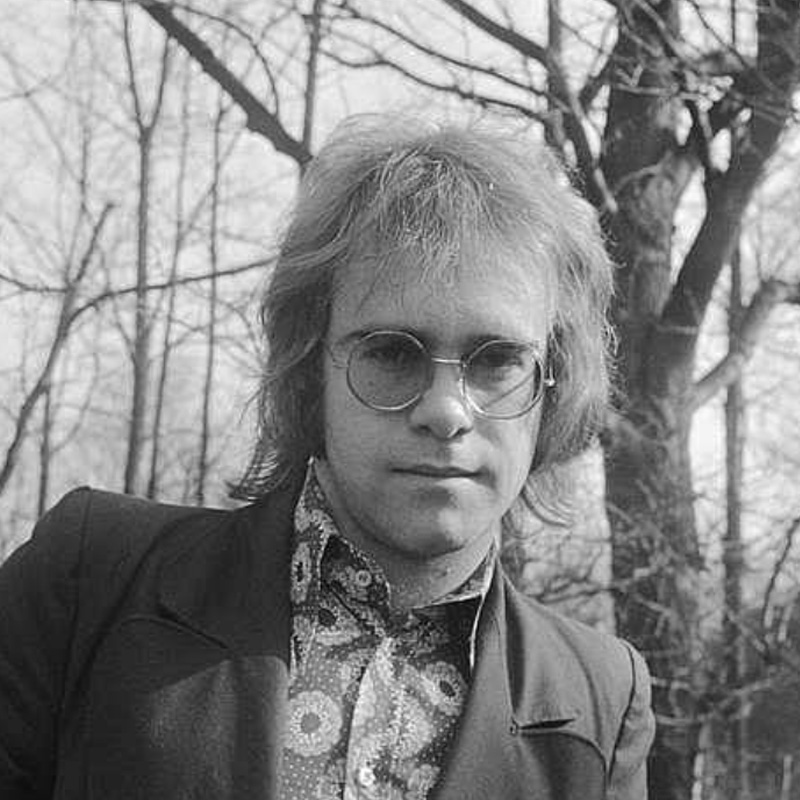
Elton John
Elton John’s Caribou album (1974) features a sweeping mountain backdrop rendered in a style directly inspired by Parrish’s saturated colors and glowing light. Designers borrowed from his fantastical landscapes and glazing techniques to evoke the sense of wonder and escapism for which Parrish was known.
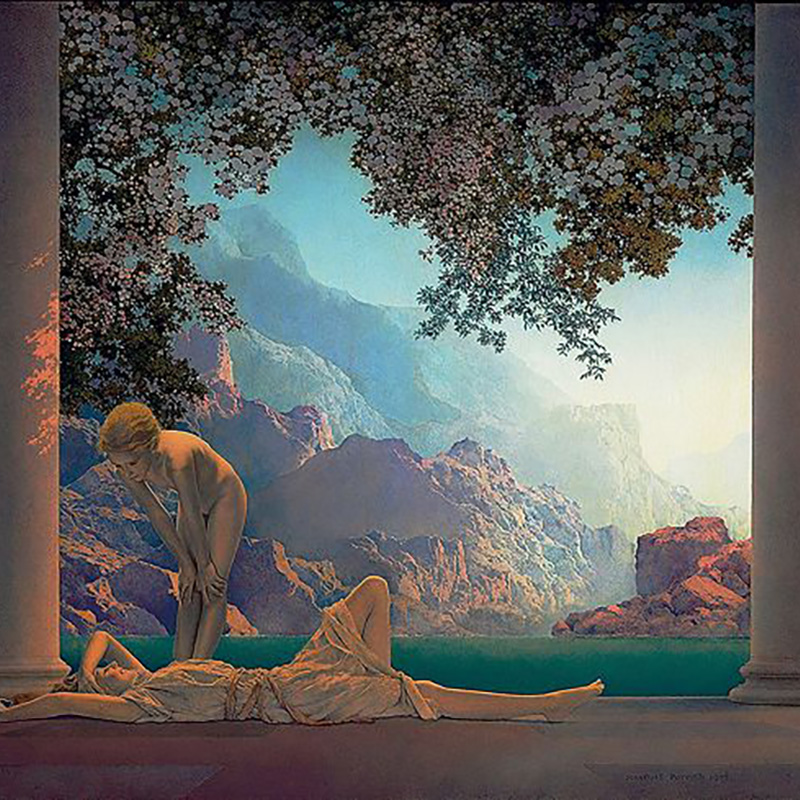
The Moody Blues
The band’s 1983 album The Present uses a reimagined, airbrushed version of Parrish’s 1922 masterpiece Daybreak to shape the look of the album’s iconic artwork. The adaptation preserves Parrish’s ethereal palette and timeless sense of tranquility, bringing his most reproduced work to a new generation of music fans. The album reinforced Parrish’s presence in modern pop culture and cemented Daybreak as one of America’s most recognizable images.
Enya
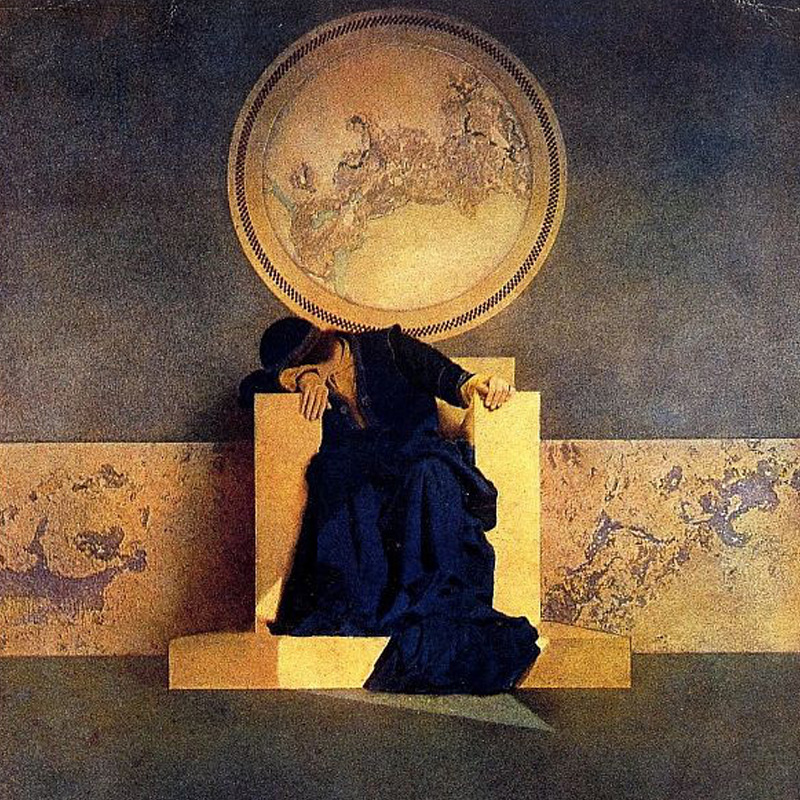
Irish musician Enya is a devoted admirer of Maxfield Parrish, deeply inspired by his otherworldly tone and luminous “Parrish Blue.” Her album The Memory of Trees recreates Parrish’s The Young King of the Black Isles, with Enya herself depicted in place of the original figure. Her Caribbean Blue music video also pays homage to Parrish, using layered, glowing visuals that echo his distinct glazing techniques. This aesthetic synergy helped define Enya’s visual identity for millions of listeners.
Carribean Blue: Over 125 million views
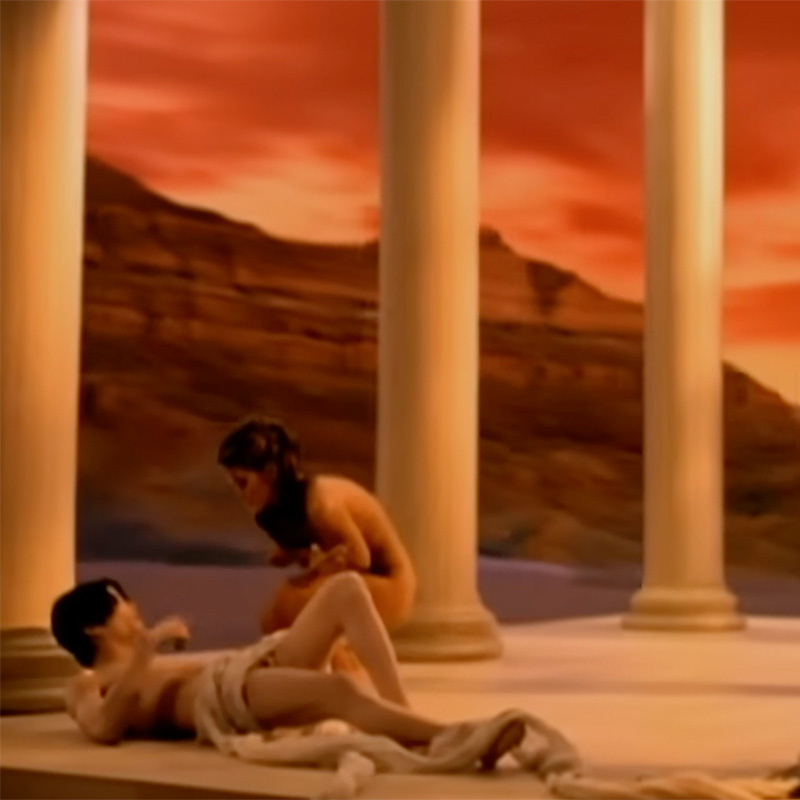
Michael Jackson
Michael Jackson’s 1995 You Are Not Alone music video includes scenes visually modeled after Daybreak. The soft lighting, idealized scenery, and alluring compositions mimic Parrish’s iconic style, underscoring his lasting impact on visual storytelling in pop music. Jackson’s creative team frequently referenced Parrish’s luminous tones and painterly atmospheres in promotional imagery and concept design.
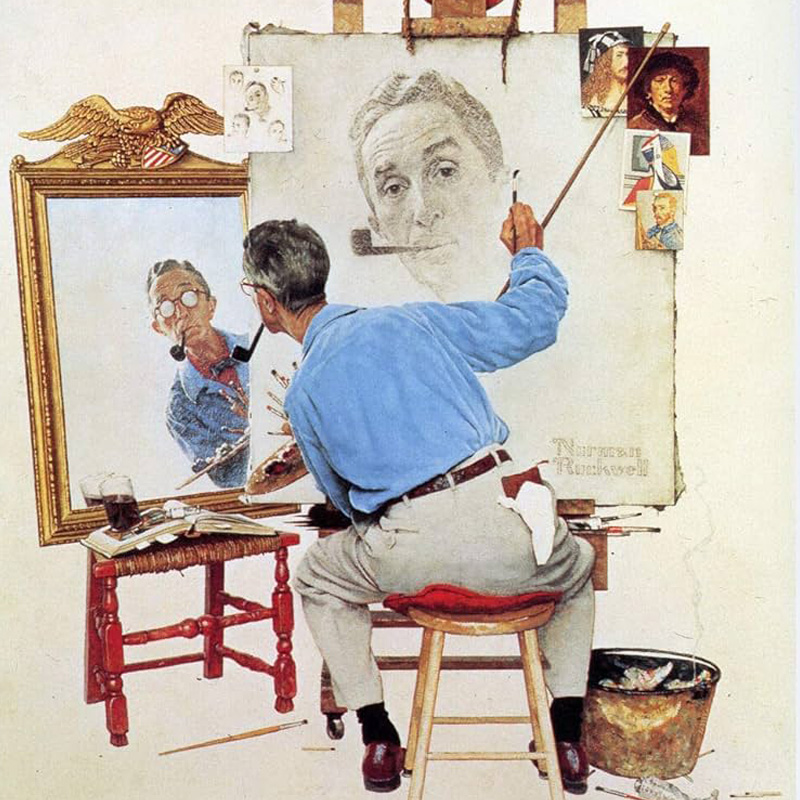
Norman Rockwell
Norman Rockwell considered Maxfield Parrish one of his artistic “gods.” Though their styles differed—Rockwell grounded in realism and Parrish in fantasy—Rockwell admired Parrish’s mastery of composition and color. Parrish’s techniques subtly influenced Rockwell’s early works, and Rockwell kept a Parrish self-portrait in his studio as a reminder of the illustrator’s soaring standards.
Andy Warhol
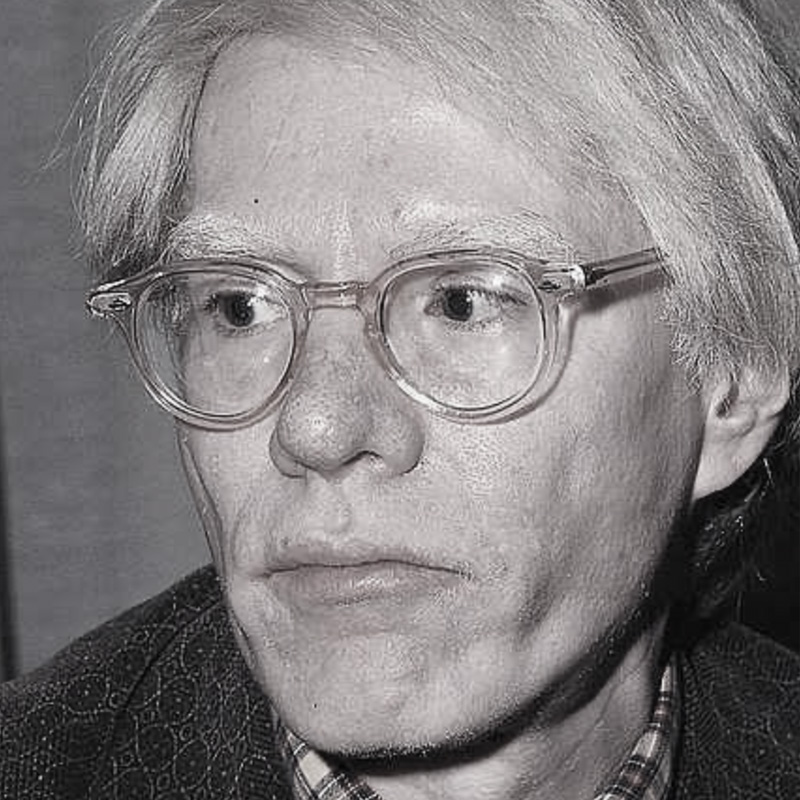
Andy Warhol looked to Parrish as a precursor to Pop Art. Parrish was one of the first American artists to embrace mass reproduction, licensing his images widely—a concept Warhol elevated into fine art. Warhol was inspired by Parrish’s bold use of color, use of photography in the creative process, and blend of commercial and high art. Warhol collected Parrish’s works, several of which were auctioned from his estate.
George Lucas & Star Wars
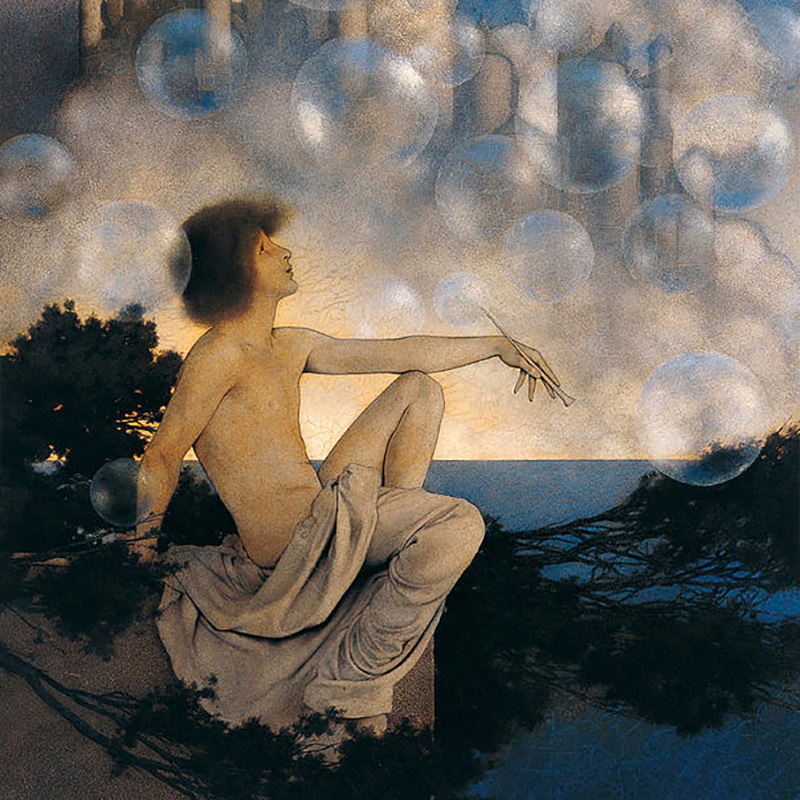
George Lucas has often cited Maxfield Parrish as a major visual influence on the Star Wars universe, drawing on his luminous color palettes, glowing horizons, and dreamlike landscapes. Parrish’s signature “Parrish Blue” and ethereal lighting helped shape the romanticized aesthetic that underpins many of the saga’s environments. Lucas, an avid collector of Parrish’s work, owns major pieces such as Air Castles (1904), which he plans to display at the Lucas Museum of Narrative Art. The influence is especially visible in the serene landscapes of Naboo, the warm, desolate tones of Geonosis, and the atmospheric light used in concept art for Coruscant. Through the work of designers like Ralph McQuarrie and Doug Chiang, Parrish’s visionary style became woven into the visual DNA of Star Wars, proving that early 20th-century illustration continues to inspire modern cinematic worlds.
Madonna
International pop icon Madonna is a notable collector of Maxfield Parrish’s work, including the 1906 painting The Young King of the Black Isles—the same artwork that inspired Enya’s Memory of Trees album cover. Her interest reflects Parrish’s continued relevance in modern pop culture and the enduring appeal of his luminous, narrative-driven style.
Rob Reiner & The Princess Bride
Director and co-producer Rob Reiner helped bring The Princess Bride (1987) to life, a beloved film that features visual elements inspired in part by the evocative landscapes of Maxfield Parrish. Parrish’s dreamlike compositions and romantic color palettes—especially those seen in works like Daybreak—influenced the fairy-tale atmosphere and aesthetic tone of the movie’s promotional art and scenic design. The Princess Bride was selected by the Library of Congress for preservation in the U.S. National Film Registry.
Parrish’s Enduring Popularity Today
Today, Parrish’s influence remains strong in film, music, fashion, fine art, and digital media, and is recognized as the most sold art print of the 20th century. Daybreak, once estimated to be in one of every four American homes, is still referenced in contemporary artwork, advertising, and visual culture. Parrish’s vision continues to resonate, proving that his blend of imagination, technique, and luminous beauty remains timeless.